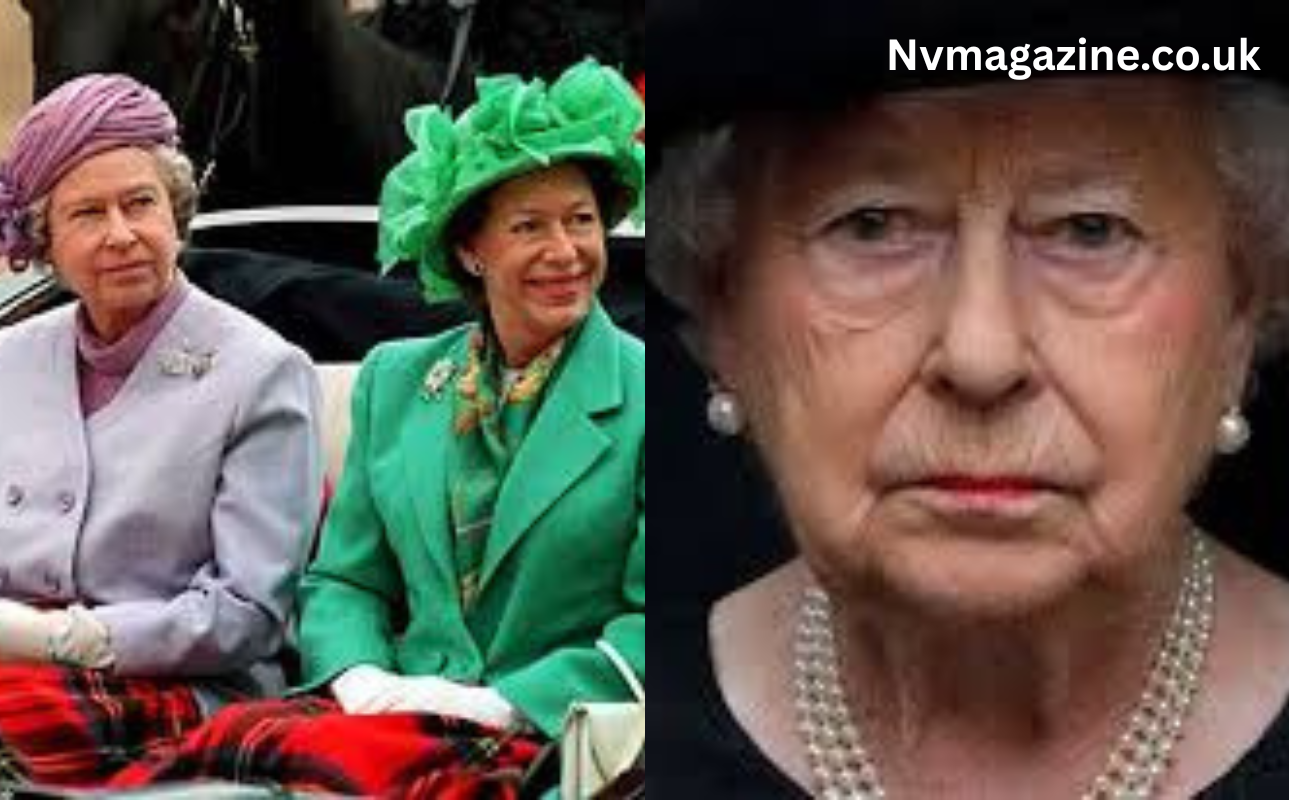
Introduction to Princess Margaret’s Final Farewell
The funeral of Princess Margaret was one of the most emotional and historically significant royal events of the early 2000s. As the younger sister of Queen Elizabeth II and the daughter of King George VI, Princess Margaret had spent her entire life under the public eye. She was admired for her elegance, independence, strong personality, and glamorous royal image, but behind that public life was also a woman who faced personal struggles, health battles, and emotional challenges.
Table of Contents
ToggleWhen she passed away on 9 February 2002 at the age of 71, the nation reflected on the life of a princess who had often stood apart from royal tradition. Her death came after years of declining health caused by strokes, lung problems, and mobility issues. Buckingham Palace announced that she had died peacefully in her sleep at King Edward VII Hospital in London, with her children by her side. Her passing deeply affected the royal family, especially the Queen, who lost not only a sister but also her lifelong companion.
What made Princess Margaret’s funeral especially memorable was how personal it was. Instead of a grand public royal ceremony, she requested a private service for close family and friends. Even more unusually, she chose cremation rather than burial, breaking long-standing royal tradition. Her funeral became a reflection of the woman herself—elegant, independent, and determined to do things her own way.
Princess Margaret Funeral Facts Table
| Quick Fact | Details |
|---|---|
| Full Name | Princess Margaret Rose |
| Royal Title | Her Royal Highness Princess Margaret, Countess of Snowdon |
| Date of Birth | 21 August 1930 |
| Date of Death | 9 February 2002 |
| Age at Death | 71 years |
| Profession | Member of the British Royal Family |
| Father | King George VI |
| Mother | Queen Elizabeth The Queen Mother |
| Sibling | Queen Elizabeth II |
| Former Husband | Antony Armstrong-Jones, Earl of Snowdon |
| Children | David Armstrong-Jones, Lady Sarah Chatto |
| Birthplace | Glamis Castle, Scotland |
| Funeral Date | 15 February 2002 |
| Funeral Venue | St George’s Chapel |
| Cremation Place | Slough Crematorium |
| Final Resting Place | King George VI Memorial Chapel |
| Estimated Net Worth | Private royal wealth and inheritance |
| No official account | |
| Twitter/X | No official account |
| Not applicable |
Princess Margaret’s Life and Royal Identity
Princess Margaret was born on 21 August 1930 at Glamis Castle in Scotland. She was the second daughter of King George VI and Queen Elizabeth, later known as the Queen Mother. As the younger sister of the future Queen Elizabeth II, Margaret grew up close to the center of British monarchy but without the direct responsibility of becoming monarch. This gave her a very different role within royal life.
She quickly became known for her beauty, sophistication, and confidence. During the 1950s and 1960s, she was considered one of the most glamorous women in Europe. Her fashion choices, public appearances, and social life made constant headlines. Unlike her sister, who represented discipline and duty, Margaret was often seen as the more expressive and emotionally complex royal.
However, her life was not only about glamour. She carried out hundreds of official royal duties, supported charities, promoted the arts, and served as patron of many cultural and welfare organizations. Her role in the royal family may have been less formal, but her influence was still significant and lasting.
Health Problems and Final Years
Princess Margaret’s later years were marked by serious health challenges. She had been a heavy smoker for much of her life, and in 1985 she underwent surgery to remove part of her left lung. Although she later gave up smoking, the long-term effects remained and her health gradually weakened over time.
In the late 1990s, she suffered multiple strokes that affected her mobility and independence. A painful bathroom accident in 1999 caused severe burns to her feet, leaving her in frequent discomfort and sometimes requiring a wheelchair. Public appearances became rare, and she spent much of her final years away from royal events and public attention.
On 9 February 2002, after suffering another stroke followed by heart complications, she passed away peacefully in her sleep at 6:30 a.m. Her death came just days after the 50th anniversary of her father’s death, adding emotional significance to an already painful moment for the family. Buckingham Palace confirmed that her son and daughter were by her side.
Funeral Plans and Personal Wishes
Princess Margaret had made clear wishes about how she wanted her funeral to be arranged. Rather than a large state-style public ceremony, she preferred something more private and personal. This decision reflected her personality—she valued dignity, family closeness, and emotional meaning over formal display. Her funeral was planned as a private royal service for family and close friends only.
Her coffin, draped in her personal royal standard, was moved from Kensington Palace to St James’s Palace before being taken to Windsor. Members of the royal family were able to pay their respects privately before the service. This quiet preparation reflected the respectful and intimate tone that would define the entire farewell.
The funeral was held on 15 February 2002, exactly 50 years after the funeral of King George VI. This date was deeply symbolic. For the Queen Mother, it meant attending her daughter’s funeral on the same day she had once buried her husband. It added another emotional layer to an already historic royal moment.
The Funeral Service at St George’s Chapel
The funeral took place at St George’s Chapel, one of the most historic royal chapels in Britain. The service was led by the Dean of Windsor and attended by around 450 guests, including more than 30 members of the royal family. It was not a public national ceremony but a private gathering filled with personal reflection and quiet grief.
The atmosphere inside the chapel was respectful and deeply emotional. Members of the royal family, including the Queen, Prince Charles, Prince William, and Prince Harry, gathered not as public figures first, but as family members mourning someone they loved. The Queen Mother, despite her own fragile health, attended the service—her final public appearance before her death just weeks later.
As mourners left the chapel, pipes could be heard across Windsor Castle walls. There were no dramatic public displays, but there was visible sadness and deep emotion. The service was designed to honor Margaret’s life quietly and beautifully, without unnecessary spectacle.
Why Her Cremation Was So Unusual
One of the most talked-about parts of Princess Margaret’s funeral was her decision to be cremated. This was highly unusual for a senior member of the British royal family, where burial had traditionally been the expected practice. Her choice immediately drew public attention because it represented a major break from royal custom.
She was cremated at Slough Crematorium after the funeral service. According to reports from those close to her, she found the Royal Burial Ground at Frogmore too gloomy and preferred the idea of eventually resting near her father. This decision reflected her personal independence and her emotional connection to family rather than tradition.
Her ashes were first placed in the Royal Vault at St George’s Chapel. After the death of the Queen Mother seven weeks later, they were moved to the King George VI Memorial Chapel, where Princess Margaret was finally laid to rest beside her parents. In the end, her wish to remain close to family was fulfilled.
Family Relationships and Personal Legacy
Princess Margaret’s personal life was often discussed in the media, especially her romance with Group Captain Peter Townsend and her later marriage to Antony Armstrong-Jones. Her marriage eventually ended in divorce, which was unusual for a senior royal at that time. These moments shaped public perception of her and often overshadowed her deeper personal qualities.
Those close to her described her as witty, loyal, sharp-minded, and emotionally strong. Her children, David Armstrong-Jones and Lady Sarah Chatto, remained close to her throughout her life and were present during her final hours. Her bond with Queen Elizabeth II was also deeply important, despite their very different personalities and life paths.
At the funeral, these personal relationships mattered more than royal titles. It was a family saying goodbye to a mother, sister, and daughter. That emotional truth gave the funeral its lasting power and made it feel far more human than ceremonial.
Public Reaction and Historical Importance
The public reaction to Princess Margaret’s death was respectful and reflective. Although her funeral was private, there was strong national interest in her passing because she represented a unique era of royal life. She had been a symbol of glamour, complexity, and royal individuality during the second half of the twentieth century.
Then-Prince Charles paid tribute to her in a television message, remembering her warmth, humor, and extraordinary spirit. His words helped remind the public that behind the royal image was a deeply loved member of the family whose absence would be personally felt.
Her funeral also became historically significant because it showed how the monarchy could honor personal wishes over rigid tradition. It revealed a more human side of royal mourning and showed that even within the royal family, individuality still mattered deeply.
Conclusion
Princess Margaret’s funeral was more than a royal goodbye—it was a final portrait of the woman herself. Private, elegant, emotional, and quietly unconventional, every part of the ceremony reflected her personality and values. From the intimate service at St George’s Chapel to the rare choice of cremation, her farewell stood apart from royal tradition in meaningful ways.
She had lived a life filled with beauty, complexity, duty, and personal struggle. Her final farewell honored all of it without turning grief into spectacle. It reminded the world that behind royal titles are human relationships, family bonds, and personal wishes that deserve respect.
As Princess Margaret’s legacy continues to inspire royal historians and curious readers alike, her story remains a reminder that grace is not always found in grandeur. Sometimes, the most powerful legacy is built through authenticity, resilience, and the courage to remain true to yourself.
