Introduction
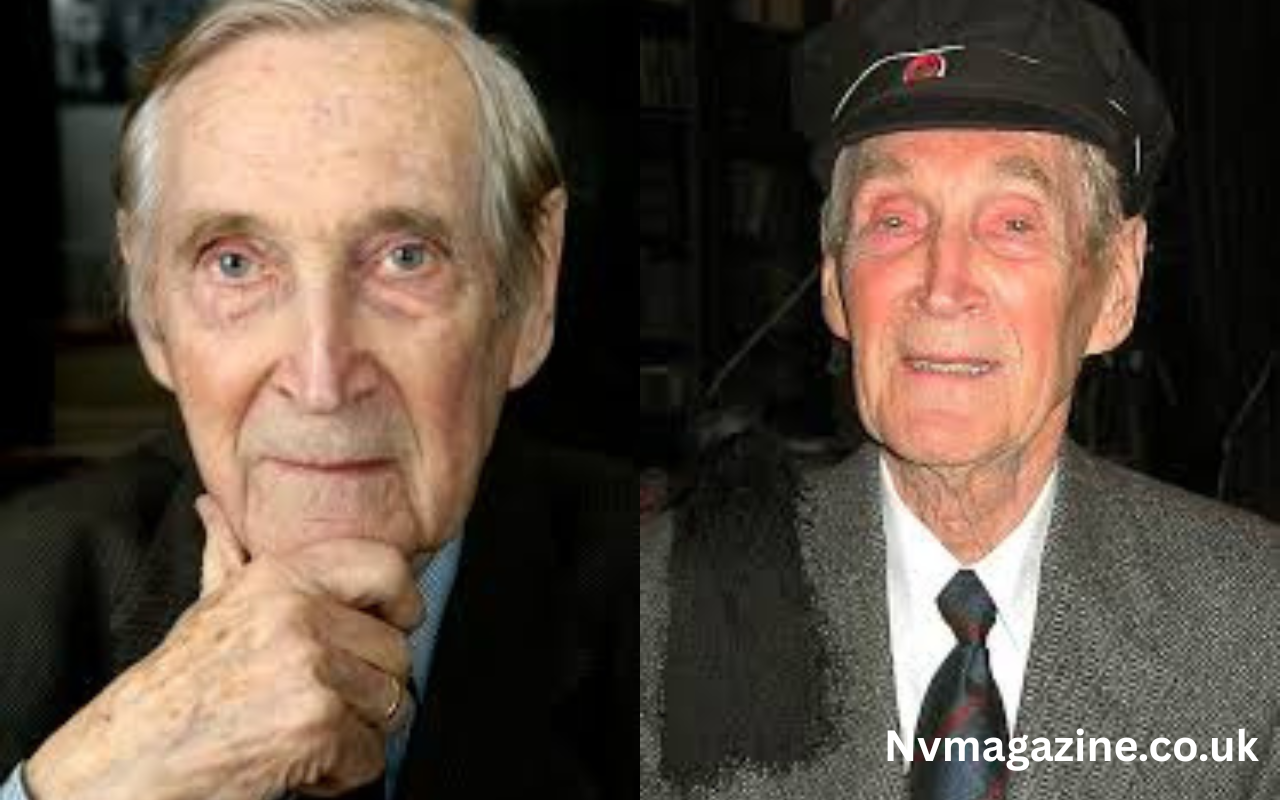
Gunnar Sønsteby remains one of the most respected names in Norwegian history, remembered not for wealth or fame, but for extraordinary courage during one of Europe’s darkest chapters. As Nazi Germany occupied Norway during World War II, many citizens were forced to choose between silence and resistance. Sønsteby chose resistance—and that decision changed the course of his life forever. He became the man the Germans could not catch, the resistance fighter known as “Agent No. 24,” and eventually the most decorated citizen in Norwegian history. His bravery made him a national legend and a symbol of freedom.
Table of Contents
ToggleWhat makes his story so powerful is that he did not begin life as a soldier or political leader. He was an ordinary young man from the industrial town of Rjukan, raised with discipline, responsibility, and a deep love for his country. Yet when war arrived, those ordinary values became extraordinary strengths. He turned into one of the most effective resistance leaders in Europe, leading sabotage missions, protecting civilians, and helping weaken Nazi control from inside occupied Norway. British historian William Mackenzie later described the Oslo Gang he led as one of the best sabotage groups in Europe.
Even decades after the war ended, Gunnar Sønsteby continued to inspire people through his speeches, books, and public service. He spoke not about personal glory, but about moral duty, courage, and democracy. His life story is more than a military biography—it is a lesson in character, sacrifice, and the power of standing firm when freedom is threatened.
Quick Facts About Gunnar Sønsteby
| Full Name | Gunnar Fridtjof Thurmann Sønsteby |
|---|---|
| Known As | Kjakan, Agent No. 24 |
| Birth Date | 11 January 1918 |
| Death Date | 10 May 2012 |
| Age at Death | 94 years |
| Birthplace | Rjukan, Telemark, Norway |
| Death Place | Oslo, Norway |
| Nationality | Norwegian |
| Profession | Resistance Fighter, War Hero, Author, Public Speaker |
| Father | Gustav Sønsteby |
| Mother | Margit Sønsteby |
| Siblings | Not widely publicly documented |
| Famous For | Norwegian Resistance Movement during WWII |
| Military Unit | Kompani Linge, Milorg, Oslo Gang |
| Major Honor | War Cross with Three Swords |
| Marital Status | Married |
| Net Worth | Not publicly documented |
| Social Media | No personal social media presence |
Early Life and Childhood
Gunnar Sønsteby was born on 11 January 1918 in Rjukan, a town in Telemark, Norway, surrounded by mountains and known for its industrial heritage. Life in Rjukan was not glamorous, but it built strong character. The town was shaped by discipline, physical endurance, and community values, all of which would later become important in Gunnar’s life. As a young boy, he loved outdoor activities, especially hiking in the mountains with friends, which helped develop his independence and resilience.
His parents, Gustav and Margit Sønsteby, raised him with strong moral values. Responsibility, honesty, and loyalty were important parts of family life. Gunnar later showed these values throughout his resistance work, where trust and discipline often meant the difference between life and death. His upbringing did not create a celebrity—it created a dependable man prepared to do difficult things when needed.
School life also played an important role in shaping him. He attended school in Rjukan and built close friendships with people who would later also become involved in the resistance movement. The generation that grew up during that time developed a strong sense of national identity, and this feeling became especially important when Norway was invaded during the war.
Education and Personal Development
After completing his early education, Gunnar moved to Oslo for further studies, a major step that exposed him to a broader and more politically aware environment. He attended Otto Treiders Business School and later studied social economics at the University of Oslo. This academic background gave him practical thinking skills and a sharp understanding of systems and organization, which later proved valuable during resistance operations.
Alongside his education, he completed compulsory military service and worked in accounting. At this point, he was not preparing for a military career or expecting to become a national hero. Like many young Norwegians of his generation, he was focused on building a stable future through education and professional work. His personality was calm, practical, and disciplined rather than dramatic or attention-seeking.
The shift from student life to wartime resistance was sudden and life-changing. When Germany invaded Norway in April 1940, everything changed. The peaceful path he had planned disappeared, and the question became not what career to build, but how to defend his country and values under occupation.
Entering the Resistance Movement
When Nazi Germany occupied Norway in 1940, Sønsteby was working as an accountant. Instead of accepting the occupation quietly, he immediately joined the growing resistance movement in Eastern Norway. He later explained that seeing foreign soldiers marching through Norwegian streets filled him with anger and determination. He joined volunteer forces and became involved in underground resistance efforts, including the illegal press and secret operations.
His courage and reliability quickly made him valuable. In 1941, he was recruited into the British Special Operations Executive (SOE), the secret Allied organization responsible for sabotage and intelligence work in occupied Europe. There he became known as “Agent No. 24,” a name that would later become legendary in Norwegian history. His missions involved intelligence gathering, covert planning, and maintaining connections between Norwegian resistance fighters and Allied forces abroad.
In 1943, after escaping danger in Norway and traveling through Sweden, he was sent to Britain for formal sabotage training. He joined Norwegian Independent Company 1, better known as Kompani Linge, the elite force trained for dangerous missions behind enemy lines. This marked the beginning of his transformation from civilian patriot to professional resistance leader.
Leadership of the Oslo Gang
One of the most defining chapters of Gunnar Sønsteby’s life came when he became the leader of the famous Oslo Gang, one of the most effective sabotage units in occupied Europe. This group carried out highly dangerous missions against Nazi infrastructure and helped disrupt German operations in Norway. British historian William Mackenzie famously called them “the best group of saboteurs in Europe.”
The Oslo Gang completed several major sabotage operations. They destroyed records related to forced labor, preventing young Norwegian men from being sent to the Eastern Front. They also attacked the Kongsberg munitions factory, sabotaged railways, damaged military aircraft, and launched the “Mardonius” operation, blowing up ships in Oslo harbor. Another major achievement was stealing 75,000 ration books, helping protect civilians from severe food shortages.
These missions required careful planning, secrecy, and nerves of steel. Every operation carried the possibility of torture, imprisonment, or execution. Yet Sønsteby remained calm and focused. He was not loud or theatrical—his leadership came from trust, discipline, and preparation. His fellow fighters respected him because he was dependable under pressure.
Master of Disguise and Survival
One of the reasons Gunnar Sønsteby became legendary was his ability to avoid capture. While operating in Nazi-occupied Oslo, he became one of the Gestapo’s most wanted men, yet they never caught him. He used between 30 and 40 different names and false identities, constantly changing papers, locations, and routines to remain invisible.
He was also known as a master forger. He could replicate official documents and even imitate the signature of Karl Marthinsen, the Nazi police chief in Norway. This skill allowed him to manipulate records, protect resistance operations, and confuse German authorities. His survival was not luck alone—it was strategy, discipline, and extraordinary attention to detail.
Sønsteby often changed sleeping places almost every night and used dozens of safe houses. He watched for signals before entering buildings and planned every movement carefully. During the final months of the war, he even carried a hand grenade so he could avoid capture alive if necessary. His life became a constant balance between courage and caution.
Awards and Historic Recognition
After World War II, Norway officially recognized Gunnar Sønsteby as one of its greatest heroes. He remains the only person ever awarded the War Cross with Three Swords, Norway’s highest military decoration. This honor alone placed him permanently in the nation’s history books. The award recognized not only bravery, but sustained leadership and extraordinary service under extreme danger.
He also received major international honors, including the British Distinguished Service Order and the American Medal of Freedom with Silver Palm. These awards reflected how deeply his work had impacted Allied success during the war. He was respected not only in Norway, but across Europe and the United States for his contribution to defeating Nazi occupation.
Later in life, monuments and public memorials were created in his honor. A statue of Sønsteby was unveiled in Oslo, and his death in 2012 was marked with a full state funeral attended by King Harald V, national leaders, and military representatives. Very few civilians receive that level of national tribute, showing how deeply he was respected across generations.
Personal Life and Values
Despite his national fame, Gunnar Sønsteby remained a remarkably humble person. He did not behave like a celebrity or seek praise for his achievements. Instead, he often emphasized teamwork and moral responsibility, reminding people that resistance was never about one man, but about ordinary citizens choosing courage over fear.
He was married and kept much of his family life private. Unlike modern public figures, he did not live through public branding or media attention. His public identity was built entirely on action and integrity. People who met him often described him as calm, thoughtful, and deeply principled rather than dramatic or self-promoting.
One of the most important parts of his later life was speaking to students and young people. He believed democracy should never be taken for granted and that freedom required active responsibility. His lectures focused on ethics, decision-making, and the importance of standing against injustice even when the cost is high.
Net Worth and Sources of Income
There is no widely published estimate of Gunnar Sønsteby’s personal net worth, mainly because he was never a commercial celebrity or businessman focused on public wealth. His reputation came from service, not financial success. Unlike entertainers or entrepreneurs, his legacy is measured more in national respect than monetary value.
After the war, he worked in business and in the oil industry, using his education and professional discipline to build a stable civilian life. He also wrote books, including Report from No. 24, where he shared his wartime experiences and reflections. His writing helped preserve important historical memory and likely contributed to his income over time.
Public speaking, advisory work, and national recognition also shaped his later career. However, he never projected luxury or financial status. His life showed that influence and respect can exist far beyond material wealth, and that service to society often creates a deeper kind of legacy.
Social Media and Public Influence
Because Gunnar Sønsteby belonged to an earlier generation, he had no Instagram, Twitter, LinkedIn, or personal digital brand. His influence came through books, interviews, documentaries, and face-to-face public speaking rather than online platforms. His reputation was built long before social media existed.
Even without digital accounts, his public presence remained powerful. Schools regularly invited him to speak, and documentaries continued to tell his story. His message was simple but strong: freedom is fragile, democracy requires courage, and silence in the face of injustice carries consequences.
In recent years, new interest in his life has grown through film and streaming platforms. The 2024 Norwegian biographical film Number 24 (Nr. 24) brought his story to new international audiences, showing younger viewers how one man’s quiet courage helped protect an entire nation. The film premiered in Norway in October 2024.
Final Years and Lasting Legacy
In his later years, Sønsteby became one of the last living voices of Norway’s wartime resistance generation. He used that position with great seriousness, continuing to speak publicly and reminding younger generations that history should never be forgotten. He believed memory itself was a form of responsibility.
He passed away on 10 May 2012 in Oslo at the age of 94. His death was treated as a national moment of mourning and reflection. Newspapers across Europe described him as one of the greatest resistance heroes of World War II. His state funeral reflected not just respect for a soldier, but gratitude for a man who helped defend the identity of a nation.
Today, his books, memorials, documentaries, and public statues ensure that future generations continue learning from his life. He remains one of the strongest examples of patriotic leadership without ego—a man whose ordinary appearance hid extraordinary courage.
Conclusion
The life of Gunnar Sønsteby proves that true heroism is not built on fame, but on choices made when fear and danger are real. He did not begin life expecting greatness. He was an ordinary young man who, when history demanded courage, chose action instead of silence.
From the mountains of Rjukan to the hidden safe houses of occupied Oslo, from secret sabotage missions to national honors, Sønsteby showed what it means to defend freedom with both bravery and discipline. His journey teaches us that resilience is often quiet, and leadership is often built in moments when nobody is watching.
As Gunnar Sønsteby continues to inspire future generations, his story stands as a reminder of how resilience and purpose can shape a meaningful legacy. His life shows that even in the darkest times, one determined person can help protect the future of an entire nation.
