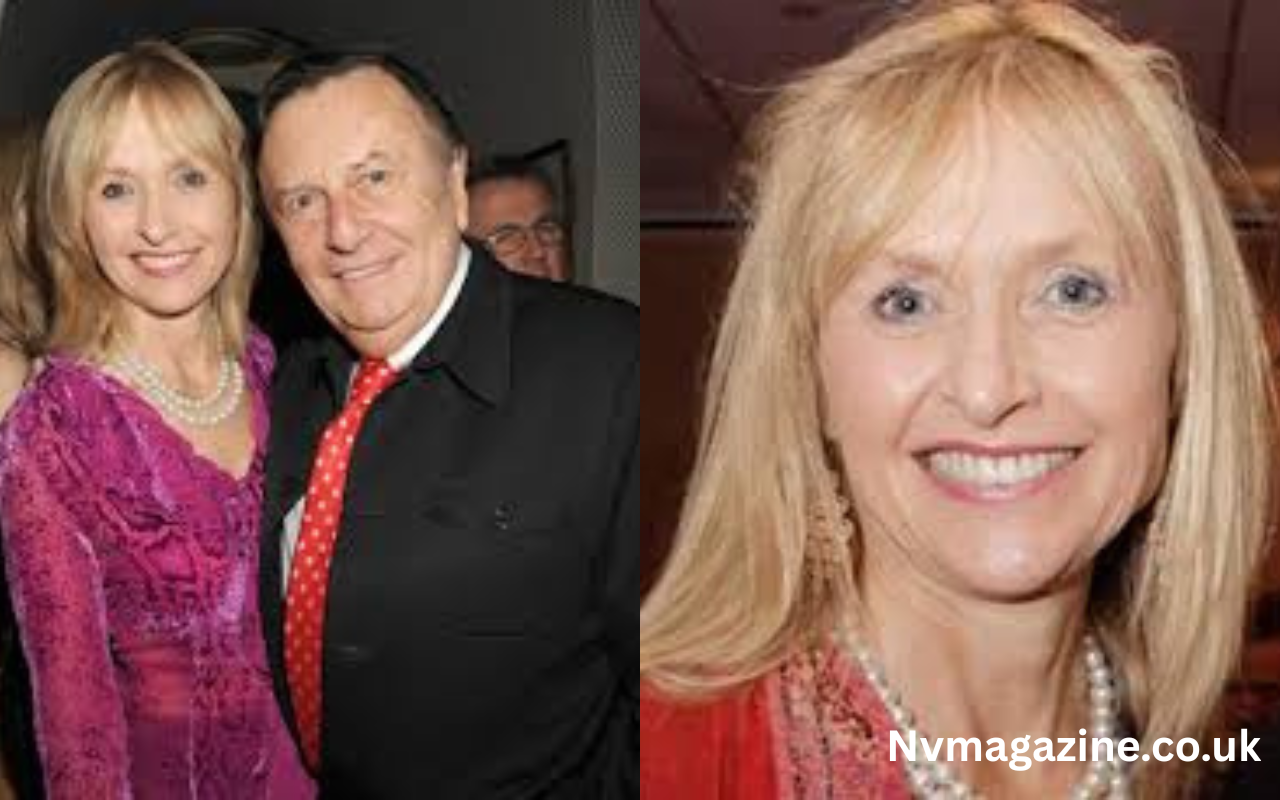
Some lives are shaped by fame, while others are shaped by substance. Elizabeth Spender belongs to the second kind. She is not known for chasing headlines or building celebrity through noise, but through thoughtful work, artistic dedication, and a life surrounded by literature, performance, and creative intelligence. As the daughter of the celebrated poet Sir Stephen Spender and concert pianist Natasha Spender, she was born into a world where ideas mattered and art was part of daily life.
Table of Contents
ToggleYet Elizabeth Spender never relied only on family legacy. She built her own name as an actress, appearing in respected productions such as Brazil, The Hound of the Baskervilles, and several acclaimed television dramas. Later, she expanded her work into writing, creating BBC television dramas, publishing cookbooks, and eventually sharing her own memories through memoir writing. Her life reflects versatility, discipline, and emotional depth.
Many people also recognize her as the wife of legendary Australian comedian and satirist Barry Humphries, famous worldwide for creating Dame Edna Everage. But Elizabeth’s story is much more than a famous marriage. She represents a rare kind of creative figure—someone who quietly leaves a lasting mark through talent, intelligence, and grace.
Quick Facts About Elizabeth Spender
| Full Name | Elizabeth Spender |
|---|---|
| Birth Year | 1950 |
| Age | Around 75 Years (as of 2026) |
| Birthplace | England, United Kingdom |
| Nationality | British |
| Profession | Actress, Writer, Memoirist |
| Famous For | Brazil (1985), BBC Dramas, Memoir Writing |
| Father | Sir Stephen Spender |
| Mother | Natasha Spender |
| Sibling | Matthew Spender |
| Education | Bristol Old Vic Theatre School, Drama Centre London |
| Marital Status | Widowed |
| Husband | Barry Humphries |
| Estimated Net Worth | $2 Million – $4 Million |
| Not Publicly Active | |
| Twitter/X | Not Publicly Active |
| Not Publicly Listed |
Elizabeth Spender is documented as the daughter of poet Stephen Spender and pianist Natasha Spender, and she is known for film and television work including Brazil (1985).
Early Life and Family Background
Elizabeth Spender was born in England in 1950 into one of Britain’s most intellectually rich households. Her father, Sir Stephen Spender, was one of the most respected poets, essayists, and literary figures of the twentieth century. He was deeply connected to the literary world and moved among some of the greatest thinkers and writers of his time. Her mother, Natasha Spender, was an accomplished concert pianist whose life reflected discipline, elegance, and serious artistic commitment.
Growing up in such an environment meant Elizabeth was surrounded by books, music, meaningful conversations, and cultural influence from an early age. Creativity was not treated as a hobby in her household—it was a way of life. This atmosphere naturally shaped her personality, teaching her the value of expression, observation, and emotional honesty. It also gave her a deep respect for intellectual independence.
She shared this creative world with her brother Matthew Spender, who later became known for his own artistic and literary work. The family environment encouraged thoughtfulness rather than performance for attention. This background gave Elizabeth both inspiration and pressure, but it also helped her understand that true success comes from meaningful work rather than public applause.
Education and Professional Training
Elizabeth did not enter the entertainment world casually. She chose serious professional training and studied drama at the highly respected Bristol Old Vic Theatre School. This institution is known for producing disciplined actors who understand theatre as both craft and responsibility. It gave her a strong foundation in voice, movement, character development, and emotional performance.
She also studied at Drama Centre London, another prestigious acting school known for intense and method-based training. This helped her deepen her understanding of performance beyond technical acting. It allowed her to approach characters with psychological depth and emotional realism, qualities that became visible in her later screen work.
Interestingly, Elizabeth also attended an Arvon Foundation television playwriting course taught by Jack Rosenthal, one of Britain’s most admired writers. This showed that even early in her career, she was interested not only in performing stories but also in creating them. Her curiosity about writing would later become an important second chapter in her professional life.
Acting Career and Screen Presence
Elizabeth Spender built her acting career steadily through quality work rather than sudden celebrity. One of her most recognized roles came in Terry Gilliam’s cult classic Brazil (1985), where she played Alison, also known as Barbara Lint. The film became one of the most discussed dystopian films of its era and remains important in cinema history today.
She also appeared in several respected television productions including The Professionals, The Hound of the Baskervilles, Selling Hitler, The Secret Servant, and Fast Tracks. These roles showed her versatility across drama, mystery, satire, and literary adaptation. She was not an actress who depended on glamour; instead, she built trust within the industry through consistency and strong performances.
Her career reflects the life of a true working artist. Rather than chasing tabloid fame, she focused on meaningful projects and professional credibility. This often creates a quieter kind of success—less flashy, but far more lasting. Her performances remain respected because they were built on skill rather than publicity.
Writing Career and Creative Expansion
Elizabeth’s creative life expanded far beyond acting. She proved herself as a talented writer by creating two BBC television dramas: Hedgehog Wedding (1987) and These Foolish Things (1989). Writing for television requires a completely different discipline from acting, and her success showed that she was not simply experimenting—she had real storytelling instincts.
In the 1990s, she surprised many readers by writing a series of Pastability cookbooks. While this seemed like a shift from drama and film, it revealed another side of her creativity. Good writing exists in many forms, and food writing often reflects memory, comfort, and personality. It showed her ability to connect with readers through everyday life, not just performance.
In 2005, she published her memoir The Wild Horse Diaries, a personal reflection on childhood and memory. Memoir writing demands vulnerability and honesty, and this work allowed readers to understand her beyond the screen. It transformed her from performer to narrator of her own life, adding emotional richness to her public identity.
Marriage to Barry Humphries and Personal Life
Elizabeth Spender’s personal life gained wider public attention when she married Barry Humphries in 1990. Humphries was one of Australia’s most iconic entertainers, known internationally for creating the unforgettable character Dame Edna Everage. His public image was bold, theatrical, and often larger than life, which made their relationship especially interesting to the public.
The couple reportedly met at a Groucho Club party in 1988, and their relationship developed into a long-lasting marriage. Unlike many celebrity relationships, theirs remained relatively private and stable. Elizabeth maintained her own identity and professional independence, rather than becoming known only through her husband’s fame.
Their marriage lasted for more than three decades until Barry Humphries passed away in 2023. In the entertainment world, such longevity is rare. Their partnership seemed built on shared wit, intelligence, emotional maturity, and mutual respect. It reflected not just romance, but companionship rooted in understanding.
Personal Values, Lifestyle, and Interests
Elizabeth Spender has always seemed drawn more to privacy than publicity. Unlike many modern public figures, she never built her identity around constant media exposure. Her lifestyle reflects thoughtfulness, calm, and substance rather than celebrity performance. This privacy has actually strengthened public respect for her.
Her memoir and writing suggest a deep emotional connection to memory, family, and the natural world. She appears to value reflection over spectacle, and authenticity over visibility. This makes her especially interesting in an age where public image often matters more than personal depth.
Her interests in literature, cooking, writing, and storytelling reveal someone who values everyday beauty. Whether through a script, a memoir, or even a cookbook, her work reflects a belief that life’s smaller details often hold the deepest meaning. This emotional intelligence defines much of her quiet influence.
Net Worth and Income Sources
Elizabeth Spender’s estimated net worth is believed to be between $2 million and $4 million, although exact figures are not officially public. Her wealth appears to be the result of decades of steady professional work rather than sudden commercial success. This includes acting, television writing, published books, and royalties from her literary work.
Unlike many modern celebrities who rely heavily on endorsements and social media branding, Elizabeth’s income sources are rooted in traditional creative professions. Film appearances, BBC television writing, publishing, and memoir work created long-term professional value and financial stability.
Her marriage to Barry Humphries also placed her within a financially secure household, but it is important to recognize her own accomplishments independently. Her financial success reflects sustained contribution to the arts rather than celebrity marketing, which gives it a deeper sense of credibility and respect.
Social Media Presence and Public Image
Elizabeth Spender is not known for maintaining an active public presence on Instagram, Twitter/X, or LinkedIn. In today’s digital age, this is unusual, but it also reflects the generation and values from which she comes. Her reputation was built long before social media became central to public life.
Rather than promoting herself online, her public identity has always come from the quality of her work. Audiences remember her for performances, writing, and personal dignity—not online visibility. This gives her a timeless quality that many modern public figures struggle to maintain.
Most people discover her today through film history, literary discussions, or renewed interest following Barry Humphries’ passing. She remains associated with elegance, intelligence, and artistic seriousness rather than digital fame. In many ways, that makes her even more memorable.
Recent Life and Lasting Legacy
Following the death of Barry Humphries in 2023, public attention once again turned toward Elizabeth Spender and her own remarkable story. Many people who first knew her as Humphries’ wife began rediscovering her independent career as an actress and writer. This renewed interest reminded audiences that her legacy stands strongly on its own.
Her work in Brazil continues to hold importance in cinema history, while her memoir preserves emotional truths that remain relevant across generations. Her BBC writing and published books also reflect a career built on thoughtful contribution rather than short-term fame.
Elizabeth represents a form of influence that is becoming increasingly rare—quiet, lasting, and built on integrity. She reminds us that not every meaningful life needs constant public validation. Sometimes, the deepest legacy is created by simply doing honest work well for a very long time.
Conclusion
Elizabeth Spender’s life is a beautiful example of quiet excellence. From growing up in a celebrated literary family to building her own career as an actress, writer, and memoirist, she proved that identity is earned through personal work, not inherited fame. Her journey reflects discipline, grace, and a lifelong commitment to meaningful creativity.
She succeeded across multiple worlds—film, television, literature, and personal storytelling—without ever depending on celebrity culture. Her long marriage to Barry Humphries added another public chapter, but her true legacy remains rooted in her own achievements and values.
As Elizabeth Spender continues to inspire through her work and life story, her journey stands as a reminder that resilience, purpose, and authenticity create the strongest legacy of all. She shows future generations that success is not always loud—sometimes it is thoughtful, lasting, and deeply human
